
Dry, rough feet often need more than a basic moisturizer. The best urea foot creams combine hydration with ingredients that help soften thick, hardened skin on heels, soles, and callused areas.
This roundup compares 10 options across several strengths and formulas, including everyday 10% urea creams, maximum-strength 40% treatments, and exfoliating blends with salicylic acid.
Best 10 Urea Foot Creams Picks for 2026
Best for Sensitive Dry Feet
Eucerin UreaRepair Plus 10% Urea

- 10% urea plus ceramides
- Up to 48 hours of hydration
- Fragrance- and colorant-free
Best For: Adults with dry, rough feet seeking fragrance-free daily care
Best for Cracked Heels
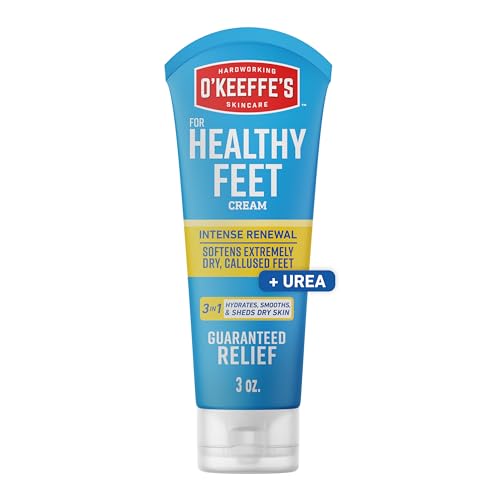
- Urea, AHA, and shea butter
- Softens feet after one use
- Compact 3-ounce travel tube
Best For: Extremely dry, rough, or cracked feet needing exfoliating care
Best for Intensive Moisturizing

- High 40% urea concentration
- For calluses and cracked skin
- Can be used on hands, elbows, and knees
Best For: Thick, dry, or callused skin needing intensive care
Best for Maximum-Strength Callus Care

- 40% urea for rough skin
- 4-ounce multi-area formula
- Made in the USA
Best For: Stubborn calluses, cracked heels, and severely rough skin
Maximum-Strength Pick

- 40% urea plus 2% salicylic acid
- Fast-absorbing, non-greasy texture
- 5.29-ounce jar for feet and rough body areas
Best For: Intensive care for callused feet and cracked-looking heels
Multi-Purpose Care Pick

- 40% urea with 2% salicylic acid and Epsom salt
- Conditions feet, nails, cuticles, and hands
- Includes oils, shea butter, aloe, and vitamin E
Best For: Targeted care across multiple rough and hardened areas
Trusted Daily Moisturizer
Dr. Scholl's 25% Urea Foot Cream
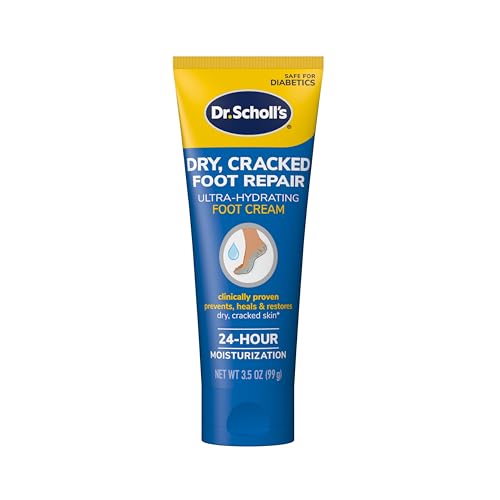
- 25% urea for dry, cracked feet
- Includes Epsom salt and essential oils
- Compact 3.5-ounce tube
Best For: Routine foot moisturizing from a familiar foot-care brand
Fast-Acting Callus Gel

- 20% urea with salicylic and glycolic acids
- No-drip gel for targeted callus treatment
- Use before rinsing and gently filing softened skin
Best For: Stubborn calluses needing a targeted pedicure prep
Maximum-Strength Daily Cream

- 40% urea plus 2% salicylic acid
- Fast-absorbing and non-greasy
- Designed for feet, hands, elbows, and knees
Best For: Intensive daily care for cracked heels and rough skin
Extra-Intensive Moisture Care
VREKEF Urea Cream for Rough Feet

- Supplied bullets state 60% urea with salicylic acid
- Includes shea butter, aloe, glycerin, and vitamin E
- Recommended twice daily for rough, dry areas
Best For: Very rough heels and callused skin needing intensive care
Best for Sensitive Dry Feet – Eucerin UreaRepair Plus 10% Urea
For shoppers comparing urea foot creams for dry, rough feet, Eucerin UreaRepair Plus offers a moderate 10% urea formula supported by ceramides and other natural moisturizing factors. It is fragrance-free and designed for intensive hydration and smoother-feeling skin.
Best For: Adults with dry, rough feet who prefer fragrance-free foot care and a clinically supported moisturizing formula.
Pros:
- Contains 10% urea, ceramides, and natural moisturizing factors.
- Designed to provide up to 48 hours of hydration.
- Fragrance-free and colorant-free.
- Clinical studies support its efficacy and tolerability.
Cons:
- The 100 ml tube may be smaller than jar-style options.
- Its 10% urea concentration may be less intensive for very thick calluses than 40% formulas.
Eucerin is a balanced choice when hydration, tolerability, and a fragrance-free formula matter more than maximum-strength exfoliation.
Best for Cracked Heels – O'Keeffe's Healthy Feet Cream
Among urea foot creams, O’Keeffe’s Healthy Feet stands out for combining urea with alpha hydroxy acid and shea butter. The exfoliating formula is intended for extremely dry, rough, and cracked feet, with a compact 3-ounce tube that is convenient for travel.
Best For: People targeting cracked heels and heavy dryness who want exfoliation, moisturization, and a portable tube.
Pros:
- Combines urea, alpha hydroxy acid, and shea butter.
- Clinically proven to soften feet after one use.
- Designed to provide 48 hours of hydration after one use.
- Hypoallergenic, non-greasy, and travel-sized.
Cons:
- Its exfoliating ingredients may not suit shoppers seeking a very basic moisturizer.
- The 3-ounce tube contains less product than the larger 4-ounce option in this roundup.
This is a practical pick for visibly rough or cracked feet when you want an exfoliating treatment that can fit easily into a bedtime routine or travel bag.
Best for Intensive Moisturizing – OUKEYA 40% Urea Cream
OUKEYA is one of the more intensive urea foot creams in this roundup, using 40% urea for dry, cracked skin, calluses, and rough areas. Its formula also includes glycerin, avocado, sucrose, and cornstarch, and can be used on the hands, elbows, and knees as well as the feet.
Best For: Shoppers seeking a high-strength urea cream for thick, dry, or callused skin on multiple body areas.
Pros:
- Contains a high 40% urea concentration.
- Targets dry, cracked skin, corns, and calluses.
- Includes glycerin, avocado, sucrose, and cornstarch.
- Marketed as non-greasy and quickly absorbed.
Cons:
- A 40% urea formula may be more intensive than needed for mild dryness.
- The supplied notes do not specify the container size.
OUKEYA makes sense for users who want a maximum-strength-style treatment and the flexibility to apply one cream to several rough, dry areas.
Best for Maximum-Strength Callus Care – PurOrganica Urea 40% Cream
PurOrganica’s 40% urea cream is formulated for extremely dry, cracked heels, corns, calluses, and rough feet. The 4-ounce jar offers a larger format, while the product can also be used on hands, elbows, knees, and cuticles.
Best For: Adults wanting a high-strength urea treatment for stubborn calluses and severely rough skin, with multi-area versatility.
Pros:
- Uses a maximum-strength 40% urea concentration.
- Designed to exfoliate, moisturize, soften, and nourish rough skin.
- Suitable for feet, heels, hands, elbows, knees, and cuticles.
- Made in the USA and never tested on animals, according to the supplied notes.
Cons:
- A 40% formula may be excessive for light everyday dryness.
- The jar can melt into liquid in high temperatures before returning to a solid form as it cools.
- A jar may be less convenient than a tube for some users.
Choose PurOrganica when stubborn calluses are the main concern and you value a larger, versatile treatment with a high urea concentration.
Maximum-Strength Pick – Grocerism 40% Urea Foot Cream
For shoppers comparing urea foot creams for stubborn roughness, Grocerism combines 40% urea with 2% salicylic acid to target dry, callused-looking skin. Its 5.29-ounce jar is also suitable for rough hands, elbows, knees, ankles, and legs.
Best For: Adults seeking intensive, multi-area care for rough feet and cracked-looking heels.
Pros:
- Combines 40% urea with 2% salicylic acid for softening and exfoliating rough skin.
- Includes hyaluronic acid, aloe vera, glycerin, allantoin, bisabolol, and ceramide.
- Lightweight, fast-absorbing texture is designed to avoid a sticky film.
- Large 5.29-ounce jar can be used on feet, hands, elbows, knees, and other dry areas.
Cons:
- Should not be applied to open, irritated, or broken skin.
- Tea tree scent may not suit shoppers who prefer fragrance-free products.
Grocerism is a practical choice when you want a high-strength urea cream with added exfoliation and a broad body-care use case. Apply consistently, such as after bathing or before bed, and follow the external-use directions.
Multi-Purpose Care Pick – Ebanel 40% Urea Foot Cream
Ebanel is one of the more versatile urea foot creams for dry, cracked, rough, and callused skin. It pairs 40% urea and 2% salicylic acid with Epsom salt, humectants, botanical extracts, and conditioning oils for targeted foot, nail, cuticle, and hand care.
Best For: Shoppers who want one intensive cream for feet, heels, hands, cuticles, elbows, knees, and thick-looking toenails.
Pros:
- Uses 40% urea, 2% salicylic acid, and Epsom salt for exfoliating and softening support.
- Contains glycerin, hyaluronic acid, shea butter, coconut oil, jojoba oil, and vitamin E.
- Designed for rough skin, dry cuticles, brittle-looking toenails, and thickened areas.
- Made in the United States in an FDA-registered, cGMP-certified facility; described as cruelty-free and hypoallergenic.
Cons:
- A patch test is recommended before first use.
- The intensive formula may be more targeted than necessary for mild dryness.
Ebanel stands out for its broad application range and rich conditioning blend. It is a strong option for shoppers managing several rough or hardened areas, provided they follow the suggested twice-daily application and patch-testing guidance.
Trusted Daily Moisturizer – Dr. Scholl's 25% Urea Foot Cream
Dr. Scholl’s offers a lower-strength alternative among urea foot creams, using 25% urea to moisturize and soften dry, cracked feet. The 3.5-ounce tube also contains Epsom salt and essential oils, including peppermint, lavender, and eucalyptus.
Best For: Adults who prefer a recognized foot-care brand and a tube format for moisturizing dry, cracked feet.
Pros:
- Contains 25% urea for intensive moisturizing and softening.
- Designed to provide up to 24 hours of hydration according to the product description.
- Includes Epsom salt and soothing essential oils for a refreshing foot-care experience.
- Tube packaging is compact and convenient for routine foot care.
Cons:
- Has a lower urea concentration than the 40% formulas in this roundup.
- Essential-oil scent may not appeal to those seeking an unscented cream.
- Formulated specifically for feet rather than multiple body areas.
Dr. Scholl’s is a sensible pick for routine hydration when you want concentrated urea care without the highest-strength formula. Its tube format and foot-specific design make it convenient for regular use on dry, cracked feet.
Fast-Acting Callus Gel – Ebanel 20% Urea Pedicure Peel
If you want urea foot creams with a faster, more targeted approach to stubborn calluses, this salon-grade gel combines 20% urea with salicylic and glycolic acids. Its thick, no-drip texture is designed for short, controlled applications before rinsing and gently filing softened skin.
Best For: Targeted treatment of thick calluses, hardened heels, and rough patches when you want a rinse-off prep step for filing.
Pros:
- 20% urea is combined with AHA, BHA, and Epsom salt for intensive exfoliation.
- Thick gel stays in place for precise application on feet and other rough areas.
- Includes glycerin, hyaluronic acid, aloe, and vitamin E to help condition dry skin.
- Made in the USA in an FDA-registered, cGMP-certified facility and dermatologist tested.
Cons:
- It is a rinse-off exfoliating treatment rather than a leave-on daily foot cream.
- The formula is intensive, so the supplied instructions recommend a patch test and thorough rinsing.
Choose this option if your main priority is loosening stubborn surface buildup before using a foot file or pumice. It offers more of a pedicure-treatment format than a simple moisturizing cream.
Maximum-Strength Daily Cream – VREKEF 40% Urea Foot Cream
Among urea foot creams, this VREKEF formula is aimed at dry, cracked, and thickened skin that needs intensive moisture plus exfoliation. It pairs 40% urea with 2% salicylic acid in a fast-absorbing, non-greasy cream suitable for feet, hands, elbows, and knees.
Best For: People seeking a high-strength cream for cracked heels, calluses, and rough skin without a sticky finish.
Pros:
- Combines 40% urea and 2% salicylic acid for softening and exfoliating rough skin.
- Glycerin, aloe vera, sucrose, avocado oil, tea tree oil, and vitamin E support moisture care.
- Fast-absorbing, non-greasy texture is designed for comfortable daily use.
- Suitable for several dry areas, including feet, hands, elbows, and knees.
Cons:
- The high-strength exfoliating formula may be more than needed for mild dryness.
- The supplied notes recommend consistent use for visible improvement, rather than an instant result.
This is a practical pick if you want one concentrated cream for both softening and moisturizing. Its non-greasy texture may also suit people who dislike heavy residue after applying foot cream.
Extra-Intensive Moisture Care – VREKEF Urea Cream for Rough Feet
This VREKEF cream is designed for people comparing urea foot creams for thick, rough, and cracked-looking skin. The supplied product information highlights 60% urea with salicylic acid, plus glycerin, aloe, shea butter, tea tree oil, and vitamin E for a moisture-focused daily routine.
Best For: Very rough heels, dry soles, and callused areas that need a rich softening cream used consistently.
Pros:
- Uses a high urea concentration with salicylic acid to target thick, rough buildup.
- Moisture-rich ingredients include glycerin, aloe vera, shea butter, and vitamin E.
- Can be used on feet, heels, hands, elbows, knees, and other dry areas.
- Instructions recommend applying to clean, dry skin twice daily, then maintaining as needed.
Cons:
- The supplied bullets list 60% urea, while the product title references 40%, so shoppers should verify the current packaging or listing.
- A high-strength cream may be unnecessarily intensive for minor dryness.
- Tea tree oil is included, which may not suit every preference.
Consider this version when maximum softening and a structured twice-daily routine are more important than a lightweight treatment. Its formula is positioned for persistent roughness, but the conflicting urea percentages make checking the label especially worthwhile.
How We Picked the Best Urea Foot Creams
We focused on formulas designed specifically for dry, cracked feet, rough heels, and calluses. Our comparison considered urea concentration, supporting ingredients, product texture, stated intended use, size, and whether a formula is better suited to daily moisturizing or targeted callus care.
Lower-strength products can be practical for regular maintenance, while higher-strength creams and peel-style treatments are generally intended for thicker, more stubborn skin. We also noted formulas that include salicylic acid, an exfoliating ingredient that may be useful for calluses but can be more irritating for sensitive skin.
Quick Comparison
- For everyday dry skin: Consider a 10% urea foot cream with a simpler moisturizing formula.
- For thick calluses and cracked heels: A 25% to 40% urea cream may provide more intensive softening.
- For added exfoliation: Look for formulas combining urea with salicylic acid, but follow label directions carefully.
- For targeted treatment: A callus-removing gel or peel may be more appropriate than a daily lotion.
Key Buying Factors for Urea Foot Creams
Urea Concentration
Urea helps attract moisture and soften hardened skin. Around 10% is commonly more suitable for routine hydration, while 20% to 40% formulas are typically chosen for rougher, thicker areas. Higher concentration does not automatically mean better for every user; it can also feel stronger on sensitive or damaged skin.
Exfoliating Ingredients
Salicylic acid can help loosen dead skin and calluses when used as directed. Combination formulas may be useful for stubborn roughness, but avoid applying them to open cracks, irritated skin, or areas that sting. Do not combine multiple strong exfoliating treatments unless a healthcare professional recommends it.
Texture and Application
Thicker creams can work well overnight, especially when paired with clean cotton socks. For daytime use, a faster-absorbing formula may be more convenient. Apply to clean, dry feet and concentrate on the heels and soles rather than between the toes unless the label says otherwise.
Skin Sensitivity and Safety
Patch-test unfamiliar products and stop using them if you develop significant burning, redness, or swelling. People with diabetes, poor circulation, neuropathy, deep fissures, or signs of infection should ask a healthcare professional before treating severe foot problems at home.
Who Should Buy Which Urea Foot Creams?
Choose a lower-strength daily cream if your main concern is mild dryness or maintaining already-smooth feet. Choose a 25% to 40% urea cream if you have persistent rough heels or thick calluses and want a more intensive moisturizer. Choose a urea-and-salicylic-acid formula if exfoliation is a priority and your skin tolerates active ingredients. Choose a callus-removal treatment for focused use on particularly thick areas rather than broad daily application.
Whichever product you choose, consistency matters. Use the cream as directed, moisturize regularly, and avoid picking or aggressively filing cracked skin. If painful cracks, bleeding, spreading redness, drainage, or persistent symptoms occur, seek medical advice.